
How to Bargain in English - Phrases and Vocabulary

When you're shopping in person or online, the price you see on a tag isn't always the price you have to pay. If you have the right skills — and know the right words — you might get a deal.
This time, we'll introduce some useful English vocabulary and phrases for bargaining. Study more to spend less!
Asking About Prices
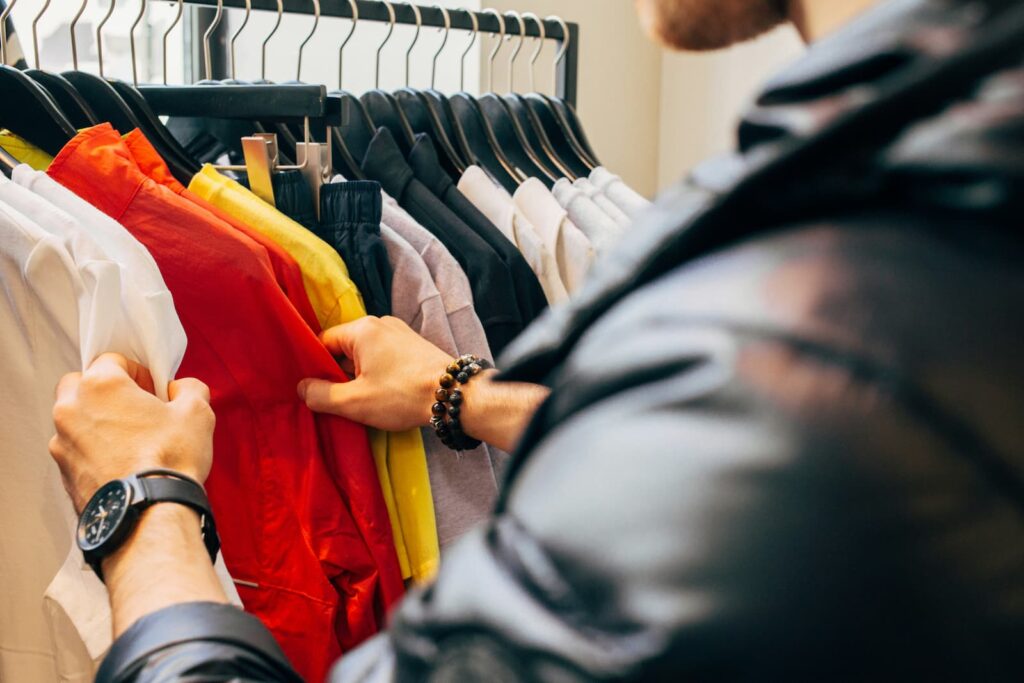
Before you can negotiate for a lower price, first you need to know the original price.
If you don't see a price tag on an item, try one of these phrases:
- "Excuse me, but there are no prices on these."
- "These items don't seem to have prices on them."
- "Can you tell me how much this is?"
- "Have these been priced yet?"
Asking for a Discount

Now that you know the price, try these phrases to see if the seller is willing to bargain.
“Is there room for negotiation?”
This phrase is simple and straightforward. If they say yes, getting a lower price is possible. If not, you'll either have to pay the original price or shop somewhere else.
“Is there any wiggle room (on the price)?”
"Wiggling" is moving slightly from side to side. When looking for discounts, "wiggle room" means the possibility of a price changing (by going down!).
“Can I get a discount if I buy (#)?”
A good way to get a lower price is to buy more than one item. So if you need multiples, ask if the seller can drop the price for you.
“Do you price match?”
Many sellers have a price-match guarantee; if their competitor is selling the same item at a lower price, they will match it. If you're not sure if a store offers this service, it doesn't hurt to ask!
“What can you do for me?”
This is a very informal phrase you can use to ask if lower prices are possible. For example:
I'm interested in this refrigerator, but is there anything you can do for me on the price?
"Can you do anything for me?" is another common phrase with the same meaning.
I'd like to buy these sweaters, but the prices are a bit high. Can you do anything for me?
“Shop around”
If you're not sure if a seller is offering the best price, you may decide to "shop around," or research prices from other sellers.
If you tell a seller you want to shop around before buying, they may offer you a discount.
Hmm, I think I'll shop around before making a decision.
Negotiating Prices

In order for both you and the seller to be happy, you'll have to compromise on a final price. Use these phrases to help you reach an agreement.
“Will you accept __?”
This simple phrase asks if a price is acceptable to the seller.
Will you accept $25 for these three books?
“Can you do __?”
When bargaining, people often use "do" as a casual alternative to "accept."
$200 is a bit too much for me. Can you do $175?
“Can you meet me in the middle?”
Imagine that you offer to pay $100 for an item and the seller counteroffers with $130.
From here, you can suggest "meeting in the middle" — cutting the price difference in half. So in this case, meeting in the middle would mean the final price is $115 (100 + 30 - 15 = 115).
Another way to express this idea is "meet halfway."

Buyer
The listing says $80, but that's too high. Will you accept $60?

Seller
Let's meet halfway and say $70.
Other Useful English Vocabulary for Bargaining
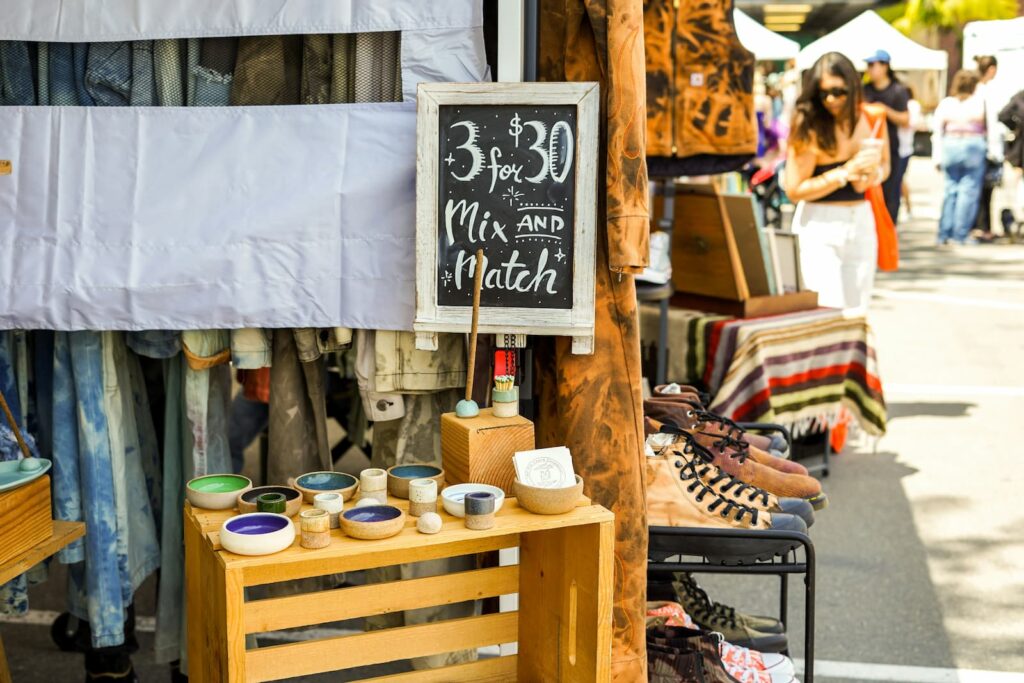
Ask
If a seller is "asking" for a particular price, it means they're willing to accept less, if necessary.
I'm asking $25 for both shirts.
Firm
When discussing prices, "firm" means that a price cannot be changed.
All prices are firm — no discounts.
Obo
"Obo" is short for "or best offer."
If a seller receives multiple offers to buy their item, they will accept the offer that is the highest or closest to their original price.
The item is in great condition and includes the original box. $85 obo.
Only use "obo" when writing; if you're speaking, say each word, not the letters.
The price is $100, or best offer.
Haggle
Buyers and sellers "haggle" when they negotiate prices.
None of the prices in this market are firm; you can haggle at all of the shops.
I haggled at the car dealership and was able to save a few thousand dollars on my new car.
Bargain
As a verb, "bargain" is a synonym for "haggle."
I asked my friend to do the bargaining for me since he's much better at it than I am.
Budge
If something "budges," it moves a very small distance.
When bargaining, this refers to a change in price. "Budge" is often used in questions and in negative sentences.
That's more than I'd like to spend. Can you budge on the price?
I'm sorry, I can't budge; the price is firm.
In the examples above, notice that "budge" refers to the seller, not the price.
Throw in
This casual phrasal verb means adding something as a free extra.
If you buy five stickers, I'll throw in another for free.
I'll buy all the games for $200 if you throw in a controller too.
Related article: New to Phrasal Verbs? Start Here!
Make someone an offer
If an item has no price, some sellers may ask you to "make an offer." This means you pick a price you want to pay; the seller may accept that price or make a counteroffer of a different amount.
You might hear this phrase (or the similar "shoot me an offer") in places like flea markets or when asking to buy something that was not originally for sale.

Buyer
Excuse me, can you tell me how much this jacket is?

Seller
Make me an offer.
Buyer
How about $45?
Seller
Sixty.
Buyer
Will you accept $50?
Seller
Sure. We've got a deal.
Wrap-up
If you're going shopping in markets, bazaars or even online, knowing the right bargaining phrases and vocabulary can help you get more bang for your buck!
Before you negotiate for real, we recommend practicing with an Engoo tutor. Engoo has thousands of friendly and professional tutors ready to help you 24 hours a day.
Finally, check out this post for more useful English related to money.