How Many Ways Can You Use "Thing"?
Although "thing" is a simple word, it has a wide variety of meanings and uses. It can refer to an...

- Language Tips

Engoo Blog

How to Say Something Is Free in English

How to Use "Play" Like a Native Speaker

How to Talk About Hot Weather in English

Topic Focus: Super English Words

How Many Different Ways Can You Use "Hit"?
When you hear "hit," do you think of a verb or noun first? Like other simple English words, "hit" is...


"Though" / "Although" / "Even Though": What's the Difference?
English learners may have a hard time understanding the differences between "though," "although" and "even though." They sound similar, but...

How and When to Use the Passive Voice
Most of the English you speak is probably in the active voice. That’s a good thing because the active voice...

More Than Romance: 14 English Idioms Related to the Heart
Our hearts are responsible for pumping blood through our bodies. And as a symbol, they represent feelings of love and...

How to Use "Like"…Like a Native Speaker
Most students learn the basic meaning of "like" early in their English study. But this simple word can be used...

"Its" and "It's": What's the Difference?
Many English words sound the same, and when you're speaking, you can often ignore their similarities. But when you're writing,...

How to Use "Big" Like a Native Speaker
"Big" is probably one of the first words you learned when you began learning English. It expresses a very simple...

Topic Focus: English for Food and Drink
Everybody loves food. Some people travel around the world just to try different countries' special dishes and unique flavors. We’ve...

What Does "-Ish" Mean and How Do You Use It?
There are lots of times when we don't want to say something in a precise or exact way. Instead, we...

How to Use "Literally" Accurately!
It’s very common to hear English speakers use “literally,” often when telling an interesting or funny story. However, it’s also...
!["How Far" and "How Long": What's the Difference? [Updated]](https://assets.blog.engoo.com/wp-content/uploads/sites/9/2022/05/10083515/how_far_long_difference-300x200.jpg "\"How Far\" and \"How Long\": What's the Difference? [Updated]")
"How Far" and "How Long": What's the Difference? [Updated]
"How far" and "how long" may sound the same to many English learners, but each has a specific meaning and...
![The Many Meanings and Uses of X [Updated]](https://assets.blog.engoo.com/wp-content/uploads/sites/9/2023/08/22034748/meanings_and_uses_of_x-300x200.jpg "The Many Meanings and Uses of X [Updated]")
The Many Meanings and Uses of X [Updated]
X is one of the most powerful letters in the alphabet. From math to maps, and from voting to kissing,...

The Ultimate Guide to Using "Can" and "Be Able To"
Though similar, "can" and "be able to" are different in three important ways: This post will explain each of these...

"What's Up?": How to Use It and Respond to It
"What's up?" If you have English-speaking friends or watch English TV and movies, you've probably heard this expression before. Even...

Why Native English Speakers Say "Have" When They Mean "Eat"
Has a waiter ever asked you “What will you have to drink?” Or have you ever heard a native English...
!["Used To" / "Be Used To" / "Get Used To": What's the Difference? [Updated]](https://assets.blog.engoo.com/wp-content/uploads/sites/9/2023/05/02080148/used_to_cover-300x192.jpg "\"Used To\" / \"Be Used To\" / \"Get Used To\": What's the Difference? [Updated]")
"Used To" / "Be Used To" / "Get Used To": What's the Difference? [Updated]
By itself, "use" means "to put into action for a specific purpose." But when you add "to," it becomes a...

How to Use "You Know" Like a Native Speaker
If you watch English-language TV or listen to native speakers in a casual conversation, one thing you will definitely hear...
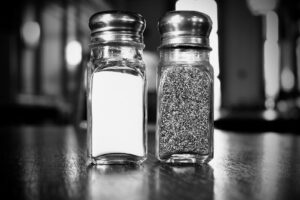
Collocations: Word Pairs for Natural English
"Quick food"? "Do a test"? "White and black"? Do these phrases sound strange to you? If they do, then you...

Useful Idioms and Phrasal Verbs with "Line"
What do you think of when you hear the word "line"? Do you imagine people waiting outside of a restaurant...

How to Use "Enough" Like a Native Speaker
"Enough" is used often in daily conversations, so understanding its different forms will give your English fluency a big boost....